Always by your side...
Helping open new doors...
Planning the future today...
Always by your side...
Helping open new doors...
Planning the future today...
Specialist advice on setting up, administering and reviewing Trusts - serving clients in Bristol, Westbury-on-Trym, Chew Magna and across the South West.
A Trust is a legal arrangement in which one person (the settlor) transfers assets to another person or group of people (the Trustees) to manage on behalf of one or more beneficiaries.
Trusts are a flexible and effective tool in estate planning, asset protection and inheritance tax planning, but they need to be structured and managed correctly to work as intended. At Lyons Solicitors, our specialist Trust solicitors have extensive experience helping individuals, families and Trustees throughout Bristol, North and North East Somerset and South Gloucestershire.
Whether you’re looking to set up a Trust for the first time, need help with ongoing administration, or have questions about your responsibilities as a Trustee, we’re here to help. We have teams in our three offices in Westbury-on-Trym, Kingswood and Chew Magna, and we also offer home visits if you’re unable to come to us.
We offer a free first consultation to answer your questions about Trusts and help clarify your situation.
To book a free initial consultation with our Trust solicitors in Chew Magna, Kingswood or Westbury-on-Trym, please get in touch today. You can use the contact details for each office or fill in the enquiry form on the right-hand side of the page to request a call back.
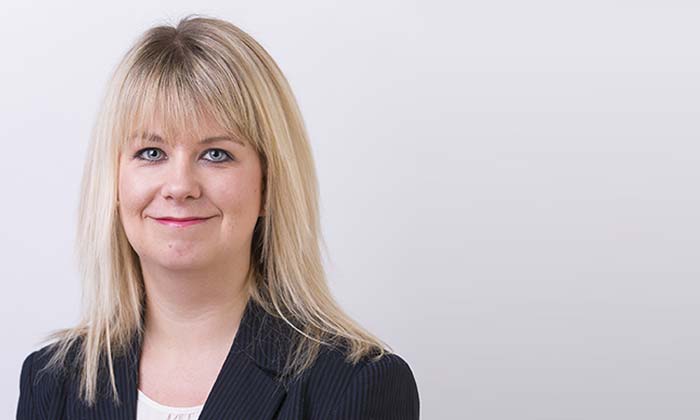
Our Trust team is led by Anna O’Hara (TEP), a partner who is a qualified member of the Society of Trusts and Estate Practitioners - the internationally recognised standard for Trust and estate specialists.
We work with a wide range of clients, including individuals who want to protect assets for their family, parents and grandparents setting up Trusts for children or grandchildren, people who have received a personal injury settlement, and existing Trustees who need ongoing support with their duties. Our team will explain everything clearly, keep you informed at every stage and communicate in whatever way works best for you - by phone, video call or in person.
When a settlor creates a Trust, they transfer assets - such as property, investments or cash - to Trustees. The Trustees then hold and manage those assets for the benefit of the beneficiaries named in the Trust document.
Every Trust has three key roles:
Trusts are used for many purposes: protecting assets, providing for vulnerable or minor beneficiaries, reducing an inheritance tax liability and ensuring assets pass to the right people at the right time.
A Discretionary Trust gives Trustees the power to decide how, when and to whom assets are distributed among the beneficiaries. No beneficiary has a fixed entitlement, which makes this structure particularly flexible. Discretionary Trusts are widely used in inheritance tax planning and for protecting family wealth across generations.
A Life Interest Trust gives one beneficiary - usually a surviving spouse or civil partner - the right to receive income from the Trust assets during their lifetime. On their death, the assets pass to the remaining beneficiaries. This structure is common in second-marriage situations, where it helps to balance the interests of a surviving partner and children from a previous relationship.
A Bare Trust is the simplest form of Trust. The beneficiary has an absolute entitlement to the assets and can call for them once they turn 18. Bare Trusts are often used by parents and grandparents to set money aside for children until they come of age.
A Will Trust is created within a Will and only takes effect on the testator’s (Will-maker’s) death. Will Trusts can take several forms, including discretionary Trusts and life interest Trusts, and are a useful way to ensure your estate is managed and distributed exactly as you intend.
A Personal Injury Trust holds compensation received following a personal injury claim. Placing a settlement into a Personal Injury Trust means those funds aren’t counted as personal capital when assessing eligibility for means-tested benefits such as Universal Credit or Local Authority care funding. It’s important to seek advice early, as the rules on timing can be strict.
A Charitable Trust is established for a charitable purpose rather than for private individuals. It must be set up for purposes that the law recognises as charitable and must provide a genuine public benefit. Setting up a Charitable Trust requires careful legal drafting to meet the requirements of the Charity Commission.
Our Trust solicitors offer advice and support across all stages of a Trust’s life. Our services include:
To book a free initial consultation with our Trust solicitors in Chew Magna, Kingswood or Westbury-on-Trym, please get in touch today. You can use the contact details for each office or fill in the enquiry form on the right-hand side of the page to request a call back.
Setting up a Trust involves several important steps. Our team will guide you through each stage:
Acting as a Trustee is a significant legal responsibility. Under the Trustee Act 2000, Trustees must act in the best interests of the beneficiaries, invest Trust assets prudently, keep accurate accounts and make decisions in accordance with the Trust deed.
Poor Trust administration can lead to disputes and personal liability for Trustees. Our solicitors can support Trustees with their day-to-day responsibilities, advise on the scope of Trustee powers and help manage any disagreements that arise. If a dispute escalates, our contentious probate team is available to assist.
The relationship between Trusts and inheritance tax (IHT) is complex. Discretionary Trusts, for example, are subject to IHT charges when assets enter the Trust, periodic charges every 10 years and exit charges when assets are distributed to beneficiaries.
The rules vary depending on the type of Trust and when it was created. Done correctly, a Trust can form part of an effective inheritance tax planning strategy. We’ll make sure you understand any tax implications before proceeding and help you structure your Trust in the most efficient way.
The cost of setting up a Trust depends on the type of Trust, the complexity of the assets involved and the level of ongoing administration required. We’ll provide a clear cost estimate at the outset so there are no surprises.
You can find more information about our approach to pricing on our Wills, Probate and LPA fees page. We’ll always discuss costs with you before any work begins.
We’ve been advising clients across Bristol and the surrounding area for many years. Our Trust team combines specialist legal expertise with a friendly, personal approach, and we’re committed to making the process as clear and straightforward as possible.
Here’s what you can expect when you work with us:
Our Trust work sits within a wider practice that also covers Wills, probate, inheritance tax planning and powers of attorney, so we can help with every aspect of your estate planning in one place.
A Will Trust is created within a Will and only comes into effect on your death. A Lifetime Trust (also called an inter vivos Trust, meaning “between the living”) is set up and takes effect during your lifetime. Both can form part of an estate plan, but they serve different purposes and have different tax implications.
Costs vary depending on the type of Trust and the complexity of the assets involved. We’ll give you a clear, upfront estimate after your initial consultation. You can read more about our pricing on our Wills, Probate and LPA fees page.
In some circumstances, yes. Trusts can form part of a broader inheritance tax planning strategy, but the rules are complex and the outcome depends on the type of Trust and how assets are structured. We’ll explain the options clearly and ensure you understand any tax implications before proceeding. Find out more on our inheritance tax advice page.
Trustees have a legal duty to manage Trust assets in the best interests of the beneficiaries. Under the Trustee Act 2000, this includes investing prudently, keeping accurate records, distributing assets in accordance with the Trust deed and acting impartially between beneficiaries. If you’re unsure about the scope of your duties, we can advise you.
Most Trusts must now be registered with HMRC using the Trust Registration Service, including many Trusts with no UK tax liability. There are some limited exceptions. We can advise you on whether registration is required and manage the process on your behalf.
This depends on the type of Trust and how it’s drafted. Some Trusts are revocable and can be amended by the settlor. Others are irrevocable once established. Trusts can sometimes be varied with the agreement of all beneficiaries under the Variation of Trusts Act 1958. We’ll advise you on the options available in your specific circumstances.
Under the Perpetuities and Accumulations Act 2009, most Trusts created on or after 6 April 2010 can last for up to 125 years. Older Trusts may be subject to different rules depending on when they were established.
Online templates exist, but setting up a Trust without professional advice carries real risks. A poorly drafted Trust deed can result in unintended tax consequences, disputes between beneficiaries, or the Trust simply failing to achieve its purpose. Using a specialist Trust solicitor means you can be confident the structure is right for your circumstances from the outset.
We offer a free first consultation to answer your questions about Trusts and help you understand your options.
To book a free initial consultation with our Trust solicitors in Chew Magna, Kingswood or Westbury-on-Trym, please get in touch today. You can use the contact details for each office or fill in the enquiry form on the right-hand side of the page to request a call back.
Search site
Contact our offices
Make an enquiry